

Why Does My Car Shake When I Accelerate
Table of Contents
Are you feeling a sudden shake or vibration when you press the gas pedal? Don’t worry—you’re not alone. Many car owners experience this issue at some point. When accelerating, understanding the causes of a shaking car can help you address the problem quickly and avoid more severe damage. In this guide, we’ll walk you through the common reasons behind this issue and how you can fix it.
Common Causes of Car Shaking
1. Brakes or Brake Caliper Issues
If you notice shaking, especially when you brake, your brakes could be the culprit. Over time, your brake rotors can become warped or worn, causing uneven contact with the brake pads. A stuck brake caliper is another possible issue. If the caliper isn’t releasing correctly, it creates uneven braking, leading to vibrations.
What You Can Do:
Warped rotors may need replacement, and a stuck brake caliper requires professional attention. Visit a trusted mechanic to get your brakes inspected.
2. Tire Problems
Your tires play a significant role in how smoothly your car runs. Worn-out, unbalanced, or unevenly inflated tires can lead to vibrations. If you haven’t rotated your tires or maintained proper pressure, they may deteriorate faster, causing shakiness.
What You Can Do:
Regularly check tire pressure, rotate your tires, and replace them when they show signs of wear. Proper alignment and balancing can also prevent this issue.
3. Axle or CV Joint Damage
Your car’s axles and CV (constant velocity) joints are crucial for a smooth ride. If your vehicle has been in an accident or hit a curb, the axles might be bent or damaged. CV joints, which allow the wheels to rotate while moving up and down, can also wear out, causing vibrations.
What You Can Do:
A professional inspection is essential for axle or CV joint problems. Ignoring these issues can lead to more significant and costly repairs.
4. Engine Issues
Your engine needs air, fuel, and spark to run smoothly. Faulty spark plugs or clogged air and fuel filters can disrupt this balance, leading to shaking when you accelerate.
What You Can Do:
Check and replace spark plugs and filters as needed. Regular engine maintenance can prevent these problems.
5. Motor/Engine Mounts
Motor mounts hold your engine in place and absorb vibrations. Over time, they can wear out or break, causing the engine to move and create noticeable shaking.
What You Can Do:
If you suspect an issue with your motor mounts, have a mechanic inspect and replace them.
6. Wheel Alignment
Improper wheel alignment doesn’t directly cause shaking but can lead to uneven tire wear, which does. Uneven tires can cause your car to vibrate, especially at high speeds.
What You Can Do:
Schedule regular wheel alignments to ensure even tire wear and smooth driving.
Why Is Early Diagnosis Important?
Ignoring a shaking car can lead to more serious problems, like extensive damage to your brakes, engine, or tires. Addressing the issue early can save you time, money, and stress.
How Kadotani Auto Repair Can Help
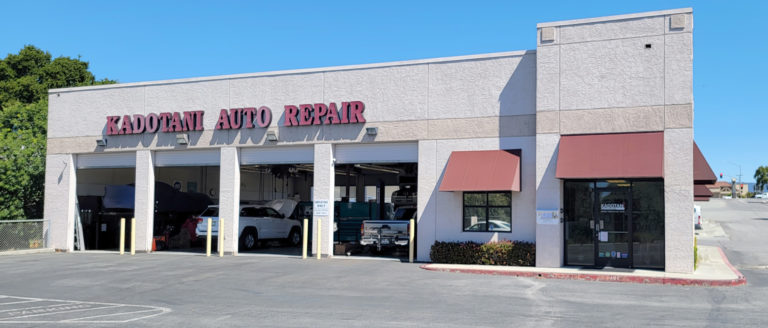
At Kadotani Auto Repair in Watsonville, we specialize in diagnosing and repairing car issues like shaking and vibrations. Our experienced team uses state-of-the-art tools to find and fix the problem efficiently.
Whether it’s your brakes, tires, engine, or another component, we’ve got you covered. With over 38 years of experience and a customer-first approach, you can trust us to safely get your car back on the road.
FAQs
1. What should I do if my car shakes when I accelerate?
Start by checking your tires and brakes. If the problem persists, visit a trusted mechanic like Kadotani Auto Repair for a professional diagnosis.
2. Is it safe to drive a car that shakes?
Driving a car that shakes can be unsafe, especially if the issue is related to your brakes, tires, or engine. Address the problem as soon as possible.
3. How much does it cost to fix a car that shakes?
The cost depends on the cause. For example, replacing spark plugs is inexpensive, while repairing a bent axle can be costly. A professional diagnosis will give you an accurate estimate.
4. Can bad alignment cause shaking?
Indirectly, yes. Poor alignment can lead to uneven tire wear, which can cause vibrations.
5. Why do my brakes make my car shake?
Warped rotors or a stuck brake caliper could be causing the issue. Both require professional repair.
6. Can worn tires cause my car to shake?
Yes, worn or unbalanced tires are a common cause of vibrations. Regular tire maintenance can help.
7. How often should I replace my tires?
Tires typically last 25,000 to 50,000 miles, depending on your driving habits and maintenance.
8. What are CV joints, and why do they matter?
CV joints connect the axles to the wheels. They allow smooth movement and turning, but damaged CV joints can cause vibrations.
9. Why does my engine shake when I accelerate?
Faulty spark plugs, clogged filters, or motor mount issues can cause engine shaking.
10. Can I fix a shaking car myself?
Some issues, like checking tire pressure or replacing spark plugs, can be done at home. For more complex problems, visit a professional mechanic.
Don’t let car shaking ruin your driving experience.
At Kadotani Auto Repair in Watsonville, we’re here to help you resolve the problem quickly and effectively. Contact us today at 831-728-4212 or visit us at 1865 Main St, Watsonville, CA.
Let us help you get back on the road safely!